
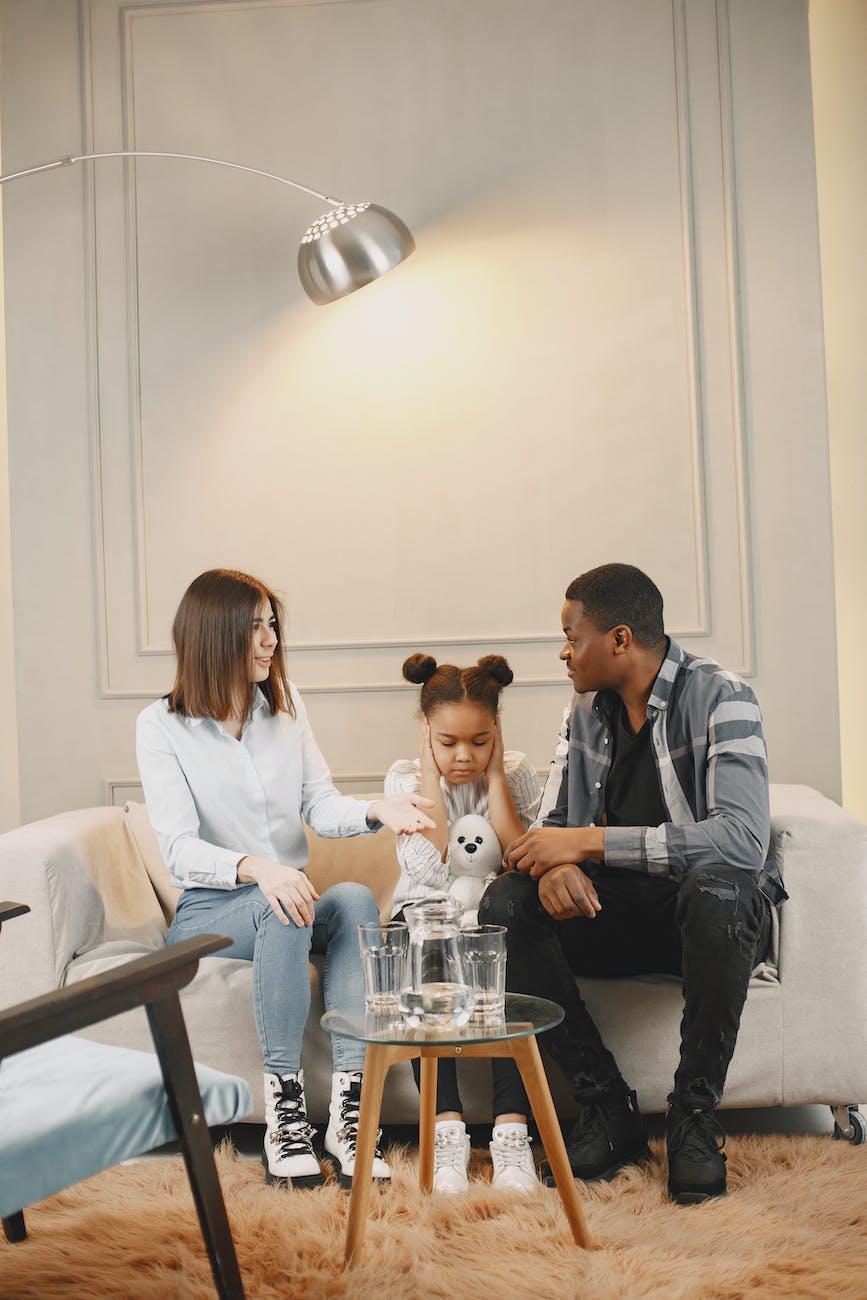
How do you manage when everything about them gets under your skin?
REAL talk. What do you do when you start to actually have feelings of dislike for your child? When they have pressed every button and tried every ounce of your patience? If you’ve been a parent for a long time, then you have definitely felt this at some point or another. Especially as our children get older and begin to exert their own free-will and come into their own, we start to see how little control we have (which in reality, we want for our children, because we want them to be self-sufficient grown-ups), but when you are in it, and just trying to get your dang kids in the car to not be late for a play-date THEY wanted, it can be incredibly defeating. When you reach this point, at least for me, every. little. thing that my children do becomes triggering.
This was my reality the last week and a half. While I know I am not alone, as I have spoken to so many other mom-friends, because PRAISE THE LORD FOR REAL FRIENDSHIPS where we can be raw and honest, it does not make it suck any less. Feeling a twinge of actual dislike for your child is not a good feeling, and if you are like me, it causes you to spiral into the cycle of screaming, followed by overcompensation to make up for the ugly memories you fear you’ve created. Even though logically it makes sense to not love or like every attribute of someone we love, as a mother, it is very difficult to come to terms with this when it is targeted at our children. I mean, we created these little people. We love them more than we love ourselves and it can feel like a giant failure when we start to see them as normal people, rather than the perfect angels we are protecting and living for. The overcompensation, then, just sets you up for failure because you can try to plan the most “perfect” day, and then if it doesn’t live up to the expectation, because, hello, these are children we are dealing with, you set yourself up for the same frustrations you were trying to avoid.
So what do we do? How do we contend with these feelings when we as adults are meant to be the ones to help them cope with big feelings and set the example for them, but we ourselves are so triggered? Through research, various conversations with other parents, and trial and error within my own parenting, I have compiled some tried and true options that can help minimize the urge to give your child a giant noogie, even when he/she might deserve it.
- Breathe. It may sound silly, but taking a moment to remind yourself to breathe can not only reset your system, but simply buy yourself some time to help you calm down. I tell my children when they are worked up, “inhala…exhala…” and I have found that when I myself do this, I can step back a moment and diffuse a situation.
- Look at their hands. I noticed this when I would have “cuddle time,” with my oldest. As he would doze off, I found myself just memorizing the different features of his face, taking a mental picture, and I would see his little hands nestled against his face and be brought back to moments of him as an infant. Immediately it made me smile, and I started incorporating this into moments where I was so frustrated with him. It can be hard to see the cute little babies we adore when they are talking back or throwing a tantrum, especially because their faces don’t seem nearly as adorable when they’re hitting a decibel that could shatter glass, but looking at their hands has been truly calming. I am reminded in those moments of how little they are, and while I know this may not last forever, there is something about it with elementary age children and younger, especially because they still (at least for now) will grab my hand out of comfort or just because.
- Walk away. I tell my children that it is okay to have big feelings, but we do not get to leak our hurt all over others. With that said, my oldest even at playdates, when he is upset, will look at me and walk away to take a minute for himself. I have started added this to my own parenting and WHAT. A. DIFFERENCE. I often take a breath, and tell them that I am going to walk away now so I do not lose it. They recognize this is best for all of us, because yes, when mommy loses it, it definitely winds up with most of us crying. I see this even with my own marriage and my favorite friendships that embracing space isn’t something scary when you truly love someone; in fact, it is incredibly healthy, because I think it shows the person that even in the moment of being so heated, you know you will return back when you are ready.
- Grounding techniques. This one I got from one of the remarkable therapists I have had the privilege of working with over the years. This might be a 5-4-3-2-1 (5 things you can see, 4 things you can hear, 3 things you can touch, 2 things you can smell, 1 thing you can taste), or a 3-2-1- (using all the senses and going down 3-1 for each). I have found that it temporarily transports me from the moment so my focus is on something completely unrelated and then I can start over once I am in a better head space.
- Get physical. Not with your children of course; in fact in general when we are heated, I teach my kids to create a space for themselves so if they are throwing their arms or legs, they aren’t running the risk of harming anyone else. Instead, I mean to just get moving. Change the scenery if you can – move to a different floor, go outside if you can, turn on the music and have a dance party; anything that gets your blood flowing can be extremely beneficial.
Once you are able to think clearly and the situation is diffused a bit, it is significantly easier to address the situation. I have even found that I am able to pinpoint the trigger and have actual conversations with my kids at levels I know they can understand. We will often, post a heightened situation, sit down on the floor together and discuss what happened and 9 times out of 10, each of us can put some kind of explanation to why we each behaved the way we did, and then apologize for it. It becomes a bonding experience that shows our kids we are growing with them, and really, reminds me as a parent that there is never going to be a linear pattern to my parenting approach. We may have expectations, but if we spend too much time living in what we think our families are supposed to look like, we miss out on actually enjoying them and building core memories that ultimately make us most resilient. I am always going to have those days where I feel like I am failing as a parent because I am human; I am always, I am sure, going to have those painful days where I just feel like my children are the ones in the wrong. I cannot change those facts, BUT, I can choose to give myself grace and to equip myself with strategies that help me build grit as a parent and a human that in turn will benefit each of the people I come in contact with. I urge you to try it. This is your reminder that we are all human. We are all learning. Hopefully in the midst of it all, we can be real with one another and ultimately then equip our children to do it a step better than we do.
 Parenting Unfiltered