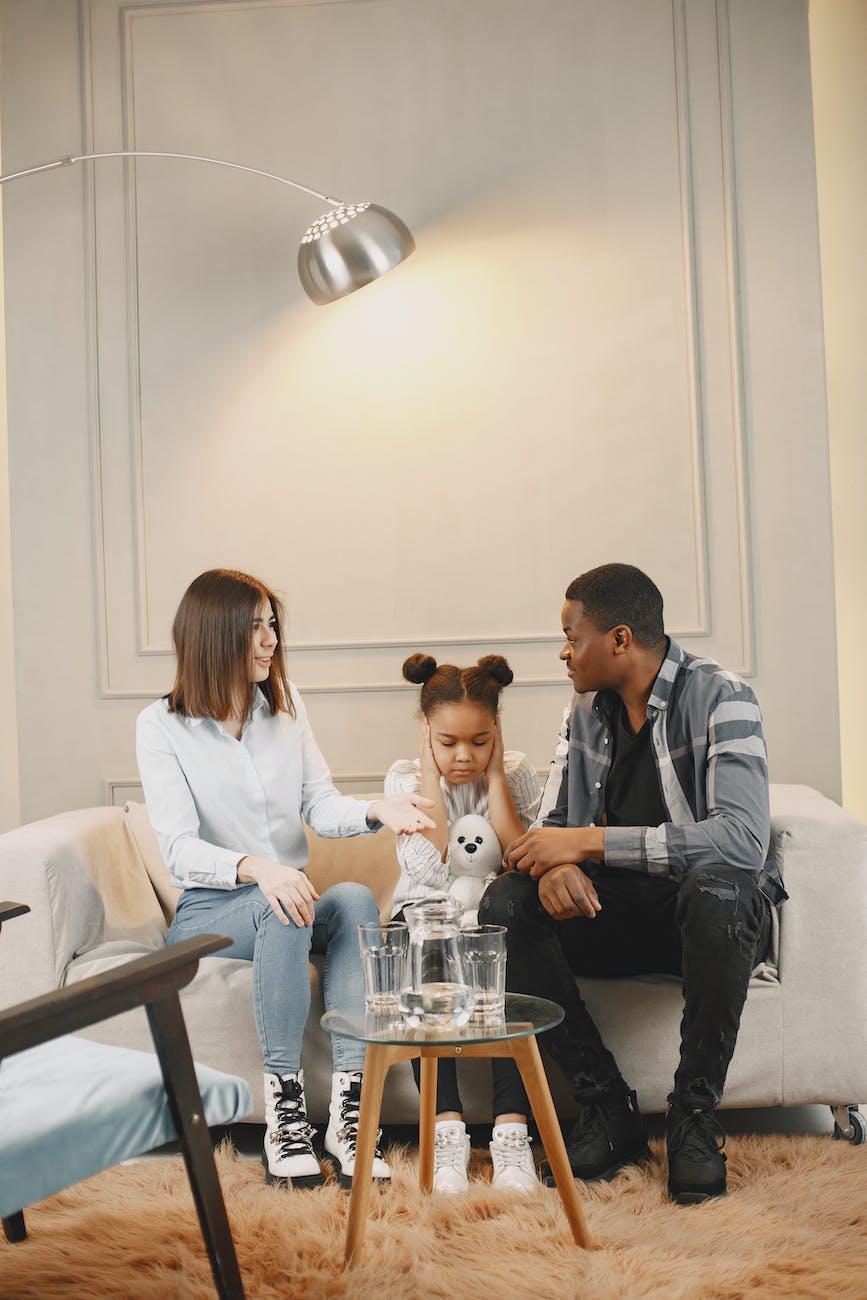
Let’s Hug it Out

The beauty of stepping back

Sometimes, the world around us can just feel heavy. In our society, I am sure many would agree that we have felt this, but sometimes even within the little worlds we have created for ourselves, it can just feel like so much is working against you, or constantly throwing challenges you feel completely unprepared for; or, perhaps you are prepared and able to handle them, but it has just been so non-stop, that you are just exhausted by it all. While I do not believe in avoidance; in fact, I am someone who likes to face situations head on, with a lot of prayer, consulting with therapists, and in this most recent season of life, enlisting in support of my community, I do at times believe in the value of stepping back. 

Sometimes, when it just feels like so much is on your plate and you are constantly juggling and rolling with every punch that comes your way, especially with small children, I think the best thing can be to simply put everything on a pause. Again, I am not one to shy away from difficult conversations, even with my children, because I do believe in being honest with them, in an age-appropriate way of course, but sometimes, things are better when we take a moment to address it, or note that we are going to circle back to a specific situation, but right now, we are going to take a moment so we can all breathe. In our personal story, without getting into too many specifics, it has been a unique season. There have been moments that definitely felt too heavy to try to break down with our children, but that we have had to. While I am glad for those, because I do believe the transparency will only strengthen our relationships (and I will share at some point some of the beneficial ways we have found and utilized in having difficult conversations with our children about topics like illness, death, etc.) it doesn’t take away from the heavy feeling as a parent in having to have those conversations to begin with. Life is messy; we know this as adults, but having to break down some of that ugly with these little people can be heartbreaking, even if necessary. There is a balance, however, in appropriately addressing and facing issues head on to build resilient and emotionally well-rounded children, and stepping back, whether to process or to find an outlet to allow us to move along. 

Lately, our most favorite way of embracing some of the “not talking it out” is to sit on the floor and hug it out. My kids love Worship music, so they’ll at times ask me to “ask Alexa” to play some of their favorite songs, and then sit ourselves down on the kitchen floor to hug. I feel that being on the ground helps to be more at eye level with my kids so I can look them directly in the eyes and then fully embrace them. Sometimes I do this with both kids at the same time – them taking turns as to who gets to be in the middle, and we will sit there at times for what feels like an hour, shutting out everything around us, and just being in that space together. It does not cancel out when we need to address an issue, but dang, does it make us all feel good for that time to simply put everything else aside, and just feel connected, loved, and safe. I encourage you to try it. Whether you have children or not, in those moments that feel so chaotic, maybe take a step back and find a person you value and love, look that person in the eye, and then simply hug them. Let yourself deeply connect and just be embraced and reminded that among the chaos of it all, you are never alone.

When Parenting Doesn’t Feel Good

How do you manage when everything about them gets under your skin?

REAL talk. What do you do when you start to actually have feelings of dislike for your child? When they have pressed every button and tried every ounce of your patience? If you’ve been a parent for a long time, then you have definitely felt this at some point or another. Especially as our children get older and begin to exert their own free-will and come into their own, we start to see how little control we have (which in reality, we want for our children, because we want them to be self-sufficient grown-ups), but when you are in it, and just trying to get your dang kids in the car to not be late for a play-date THEY wanted, it can be incredibly defeating. When you reach this point, at least for me, every. little. thing that my children do becomes triggering. 

This was my reality the last week and a half. While I know I am not alone, as I have spoken to so many other mom-friends, because PRAISE THE LORD FOR REAL FRIENDSHIPS where we can be raw and honest, it does not make it suck any less. Feeling a twinge of actual dislike for your child is not a good feeling, and if you are like me, it causes you to spiral into the cycle of screaming, followed by overcompensation to make up for the ugly memories you fear you’ve created. Even though logically it makes sense to not love or like every attribute of someone we love, as a mother, it is very difficult to come to terms with this when it is targeted at our children. I mean, we created these little people. We love them more than we love ourselves and it can feel like a giant failure when we start to see them as normal people, rather than the perfect angels we are protecting and living for. The overcompensation, then, just sets you up for failure because you can try to plan the most “perfect” day, and then if it doesn’t live up to the expectation, because, hello, these are children we are dealing with, you set yourself up for the same frustrations you were trying to avoid.

So what do we do? How do we contend with these feelings when we as adults are meant to be the ones to help them cope with big feelings and set the example for them, but we ourselves are so triggered? Through research, various conversations with other parents, and trial and error within my own parenting, I have compiled some tried and true options that can help minimize the urge to give your child a giant noogie, even when he/she might deserve it. 

  1. Breathe. It may sound silly, but taking a moment to remind yourself to breathe can not only reset your system, but simply buy yourself some time to help you calm down. I tell my children when they are worked up, “inhala…exhala…” and I have found that when I myself do this, I can step back a moment and diffuse a situation.
  2. Look at their hands. I noticed this when I would have “cuddle time,” with my oldest. As he would doze off, I found myself just memorizing the different features of his face, taking a mental picture, and I would see his little hands nestled against his face and be brought back to moments of him as an infant. Immediately it made me smile, and I started incorporating this into moments where I was so frustrated with him. It can be hard to see the cute little babies we adore when they are talking back or throwing a tantrum, especially because their faces don’t seem nearly as adorable when they’re hitting a decibel that could shatter glass, but looking at their hands has been truly calming. I am reminded in those moments of how little they are, and while I know this may not last forever, there is something about it with elementary age children and younger, especially because they still (at least for now) will grab my hand out of comfort or just because. 
  3. Walk away. I tell my children that it is okay to have big feelings, but we do not get to leak our hurt all over others. With that said, my oldest even at playdates, when he is upset, will look at me and walk away to take a minute for himself. I have started added this to my own parenting and WHAT. A. DIFFERENCE. I often take a breath, and tell them that I am going to walk away now so I do not lose it. They recognize this is best for all of us, because yes, when mommy loses it, it definitely winds up with most of us crying. I see this even with my own marriage and my favorite friendships that embracing space isn’t something scary when you truly love someone; in fact, it is incredibly healthy, because I think it shows the person that even in the moment of being so heated, you know you will return back when you are ready. 
  4. Grounding techniques. This one I got from one of the remarkable therapists I have had the privilege of working with over the years. This might be a 5-4-3-2-1 (5 things you can see, 4 things you can hear, 3 things you can touch, 2 things you can smell, 1 thing you can taste), or a 3-2-1- (using all the senses and going down 3-1 for each). I have found that it temporarily transports me from the moment so my focus is on something completely unrelated and then I can start over once I am in a better head space.
  5. Get physical. Not with your children of course; in fact in general when we are heated, I teach my kids to create a space for themselves so if they are throwing their arms or legs, they aren’t running the risk of harming anyone else. Instead, I mean to just get moving. Change the scenery if you can – move to a different floor, go outside if you can, turn on the music and have a dance party; anything that gets your blood flowing can be extremely beneficial. 

Once you are able to think clearly and the situation is diffused a bit, it is significantly easier to address the situation. I have even found that I am able to pinpoint the trigger and have actual conversations with my kids at levels I know they can understand. We will often, post a heightened situation, sit down on the floor together and discuss what happened and 9 times out of 10, each of us can put some kind of explanation to why we each behaved the way we did, and then apologize for it. It becomes a bonding experience that shows our kids we are growing with them, and really, reminds me as a parent that there is never going to be a linear pattern to my parenting approach. We may have expectations, but if we spend too much time living in what we think our families are supposed to look like, we miss out on actually enjoying them and building core memories that ultimately make us most resilient. I am always going to have those days where I feel like I am failing as a parent because I am human; I am always, I am sure, going to have those painful days where I just feel like my children are the ones in the wrong. I cannot change those facts, BUT, I can choose to give myself grace and to equip myself with strategies that help me build grit as a parent and a human that in turn will benefit each of the people I come in contact with. I urge you to try it. This is your reminder that we are all human. We are all learning. Hopefully in the midst of it all, we can be real with one another and ultimately then  equip our children to do it a step better than we do.

It’s Good to be BACK

Growth

This has definitely been a long time coming. Over the last 2 years, it has been weighing on me to resume my blogging, in an effort to rebuild community and continue to grow as parent, a wife, and a person. I feel like this is especially critical given the current state of the world; I feel like the need for genuine community has never been more vital. Over the last 2 years in particular, I have spent A LOT of time digging deep, putting the work in to really be the person I believe I am called to be. We can live in fear of what others might think, and perhaps that may always be a lingering feeling, BUT, we can make a choice to use that fear, and that anxiety, for something greater. We can use the mixed up parts of ourselves to create something really special in the form of community and strong ties.

I have always been open and honest about how I believe that becoming a parent made me the person I was called to be. I may have not initially saw it in my plan, but, GOD, and I am so dang glad He did, because I know in my heart, that as a mother, I have the best shot of being the person I am called to be on this earth. With that said, in the last 2 years, especially, I have learned so much more about myself; in fact, the pandemic brought me the gift of having to look deeper inside myself to really make myself whole.

As parents, the moment those babies are handed over to us, perhaps even sooner for some, we are changed. Our hearts grow and we live for these tiny humans that we pray over and put work into, hoping they will become healthy and whole people. It can become very easy to put ourselves on the back burner and to almost wear that like a badge of honor, as if neglecting your own mental and emotional well-being, or physical, (whatever it might be for you), makes you a better parent, because you are modeling sacrifice. If I have learned anything, it is that we are constantly walking a tight-rope, trying to balance truly giving ourselves to our loved ones and serving them wholly, whilst also prioritizing who we are. I am not going to say what self-care needs to look like for you, but I will at some point touch upon what it does look like for me, because I do very much understand and see firsthand how different it looks for so many parents, depending on their circumstances. I myself have experienced firsthand different forms of self-care and what works best for me, so the idea of a “one size fits all,” is completely off base. This post, however, is simply to bring us back, to reintroduce myself and what I hope to accomplish in sharing of my experiences and those shared with me. If you have stories to share or topics to touch upon in your journey as a parent, caretaker, or even friend/supporter to a parent and/or caretaker, please reach out to me, because I would love to walk this journey with you and learn from one another. In that growth, we grow in understanding and love and widen our communities that we so desperately need.

Navigating the Chaos

The last few months, most likely attributed to this pandemic, have had me thinking about and questioning a lot about control. Many of us grow up learning its significance. Controlling our emotions; controlling our schedules; taking ownership of our lives and being “in control.” When does this become too much, though? When does this sense of control and order become detrimental to our sanity?

I am definitely someone who has always craved order. Opposite to one of my siblings, who loved to challenge all the rules, I am someone who has always preferred to follow them. I like the rules – they serve as a road map that helps keep my life in order. For me, order, schedules, and control has helped keep me balanced. If I knew how each day would go, I could focus my efforts and energy on specific tasks and produce results in whatever I was doing.

Unfortunately, when you are someone who operates this way and who craves controlled situations over messy ones, it can get very complicated when life does not go according to plan. A pandemic, a stay-at-home order, social distancing restrictions, etc. would through anyone for a loop, but especially sent me into a tailspin.  All the elements within my realm weren’t acting according to plan. Every one of my routines was interrupted without any real warning or even real options of how to adapt. If you are into science, it was as if my controlled variable, the one that is supposed to remain constant and unchanging suddenly decided it no longer wanted to remain that way. This completely threw off the way I operated and forced me to reassess, because I have no control in this pandemic itself, but I knew I could manage my reaction, knowing very well that my response(s) would undoubtedly impact my entire household. I decided to take a step back and make it my mission to pay closer attention to my loved ones and how they operate. First off, let me tell you that while my children are most certainly resilient, but they, too, have their own ways of processing. I have heard it said from countless parents that it is up to us as the parents to paint the picture we want to tell in an effort to put a positive spin on things, and while I do agree with this to an extent, I do not believe in keeping our children in the dark, nor could I. The change in routine was obvious to my one child who clearly realized mommy was now his teacher and that he was no longer attending school with his friends. I had to get creative in explaining the pandemic in a way that was age-appropriate, but also educated him enough to know the new restrictions that were in place. Particularly challenging for him was the “no physical contact,” with anyone outside our household, which dramatically impacted his temperament. All these interruptions brought a continuous battle of finding a way to balance the lack of order.

As I saw the difficulties my family and loved ones were grappling with, it was even more clear that when life didn’t follow within a certain routine, I felt a sense of dread and total chaos. It almost felt like I was failing at my own life, not recognizing I can’t control this pandemic, nor any other human beings’ reaction to it no matter how many schedules or routines I set. This was not only incredibly damaging on my brain but also took a toll on by body as well. My obsessive need to control everything within my life was causing me to be sick when things did not go my way. I’m not talking in the temper-tantrum toddler sort of way, but more the, physically can’t eat nor sleep because I was so panicked about how I would address or plan to solve a new situation that arises. I would at times get blurred vision because I stressed myself out so much that I could not see straight (tension headaches are definitely real and they are horrible). You see, for me (and it seems for those like me), each time something goes out of order, our brains immediately jumped into fight mode, armed and ready with backup plans and alternative options for a given outcome. The problem still was, however, that when many of these plans are based on or include other human beings, we still CANNOT guarantee the exact result(s) we want. This is where it gets complicated. This is where we have a choice. I am definitely a person who lives on the idea that if things did not go the way I planned for, you simply jumped to a Plan B, Plan C, and so on and so forth until you got the result you want. I have gotten far more flexible since raising a family, yet I put other plans into motion as a parent to maintain the chaos in a way that I can multi-task and manage and still feel like I am successful.

To be clear, (because many parents I have spoken to during these last months in an effort to connect in different ways are juggling a lot of the same emotions and restlessness), regardless of how much of a planner you are, you can’t plan for a specific outcome if the variables involved aren’t on board for that same outcome. Each time I feel myself start to “lose control,” I forced myself instead to step back and laugh at myself. To just put down whatever else I am doing and jump into the moment, experiencing it for the first time instead of going through the motions of already planned out activities. You know what I am finding? Joy. Relaxation. My kids are feeding off of what I feel, processing their own emotions, looking to me to help them balance, so in the darkest moments of restlessness, if I can find that joy, so will they. Instead of worrying about filling the day with routine and activities so that life seems “normal,” I find myself focusing instead on all the elements of my children’s faces, of their mannerisms, of their little quirks that have developed. I see the beauty this time has given us in growing in various ways, both physically and emotionally. I had become so focused with being in control because I was so afraid of being “out of control,” and what this might do to my children’s lifestyle, forgetting that they simply want my attention, even if that means decompressing with the TV on because I am done planning activities for the day.

In these last few weeks of making a deliberate and conscious effort to “give up control” and lessen the reigns on how I operate, I see such a change in my children. Maybe we have found a new norm, one that feels safe for the next handful of months that allows each of us to express ourselves and lean on one another. All I can say is that the energy is so much different in our household. I still have certain routines (as I will always think they are beneficial for children and have experienced and witnessed the positive effects firsthand – post to come soon on that) in play, but I am working really hard on stepping back and letting things be a bit more. It helps me to communicate more with my husband – asking him to do something instead of playing the game of expecting him to know just so I can get annoyed that he doesn’t (the need to control does some crazy things), but allowing him the freedom to accomplish things his way. It is an adjustment, but those twenty extra minutes of sharing tasks with someone else to just sit and write or drink some tea and unwind are providing a new mental break I didn’t know I needed.

For the control freaks: I urge you to try it. The reality is, if you are like me, giving up control can be incredibly uncomfortable. It can make you feel worse before you feel better, and so if you are someone who has certain routines that genuinely help you function, then by all means, don’t mess with those. For those other ones though, the ones that you find yourself more panic stricken at trying to maintain and if you find yourself completely lost and feeling like you’re failing when things don’t go a certain way, maybe it is time to re-evaluate. Maybe it is time to step back and give up some of the reigns – to allow yourself to do some trial and errors, to find some new systems to put in place to help you manage the chaos in your life. It is almost like I get to be a kid again – experiencing things first hand that I for so long had just been going through the motions of. It makes menial tasks seem a bit more exciting, and I am sure that those in my life have a lot more enjoyment dealing with this less frazzled me.

Nosy Questions Laced with Good Intentions

“So are you guys trying? “You do want one (or another) though, right?”

These questions, though seemingly harmless, can be really difficult for women (and their partners) in the midst of trying to start or expand their families. I have spoken with countless friends, friends of friends, and acquaintances, who after my being so open with my struggles have shared their stories with me. Besides learning just how common miscarriage and fertility issues are among women (of all ages, fitness levels, backgrounds, etc.), what I discovered as most alarming was the reaction and behavior these women face from other people.

While the aforementioned questions and others like them are not offensive questions, without knowing what specific couples are facing, they can cause far more damage than someone expects. I had one friend explain a situation in which she was told, she “had to have another child,” because she “couldn’t do that to her child, just leaving him alone like that.” While I choose to see the positive and believe that the speaker was simply speaking from her own experience of having multiple children and being a sibling herself, it does not take away from the negative impact these comments had on my friend. This woman did not know if my friend had been trying unsuccessfully or if she and her husband made the choice for what is best for their family. Either way, it planted unnecessary doubt in her mind as a parent as if she was doing something wrong by not having a sibling for her child.

This situation is not an isolated one; this in fact has happened to both my husband and I as well. Prior to our losses, we continuously were asked, “What are you waiting for?” and/or “Don’t wait too long.” Even post losses, we were repeatedly questioned as to when we would begin trying again, as if it is automatically assumed that we will move forward with attempting to have more children. What people fail to realize with questions like these is the doubt or damage they are planting in the minds of women and their partners. I know some women who know that for them having one child is all they want – why should they feel bad about that because another person feels they should have more? Other women tried time and time again, sharing how each time that month rolled around that they weren’t pregnant, they felt as if they had failed their families. Does reminding them of that help?

What it comes down to is this: even though we may mean well or take interest in asking people about their families, it really is not a conversation you should be having unless you have a very close relationship with the person (or couple). Even then, it is something to tread lightly in your word choice because you genuinely don’t know what a particular couple is going through or their reasons for perhaps holding off on starting or expanding their family.

As a mom, I work hard to teach my children how to be sensitive and respectful to other peoples’ emotions. I am going to generalize and say that most moms would agree they do the same, so we must remember to model that same behavior in our daily interactions with others. Show some extra care – think twice before asking the nosy question to someone you most likely aren’t even close enough with (because my guess is if you were close enough, you’d have more insight and not need answers to these questions).

To the mamas whose hearts are open and waiting: I’m praying for you. To the mamas whose hearts who are completely filled with one: I’m happy for you. Don’t let the nosy questions (even covered in good intentions) dampen your spirit.

Friendships and the New Parent(s).

It came up recently in a heart to heart with a dear friend (and new mama), just how hard it  can be to relate to your parent friends until you actually become one.

“You don’t realize any of this until you go through it. Partner and I were like, ‘we’ve been so shitty to our friends who have kids without even knowing it.’ You just don’t know what it entails.”

She’s right. Let’s be clear—this does not make you a crummy friend for not being able to grasp it. I smiled when she said this to me, thinking back to husband’s and my “Ah ha!” moment of how we just couldn’t fully support our friends who had children before us in the full way they needed because we didn’t understand it ourselves. When I had my first baby, the only other people in my life who I am close to who had children were my older sister, and one of my close friends. We recalled trying to “be there,” especially for my close friend (to whom we are closer in age) by visiting, checking in, buying cute little outfits, etc., but only when we became parents did we truly understand how much more was involved in being able to truly support them in their new roles as parents. I’m sure my friend appreciated our efforts, but there is no way we were offering the full support that she and her husband needed.

I thought about my friend with whom this conversation started. This initially had come up because we had set a day for me to visit and meet her new baby (sans my own child, as I myself didn’t have little ones around my baby in the first month). The day of, she reached out to me telling me that she honestly wasn’t up for a visitor; she was feeling a bit overwhelmed having had so much family around prior, and just needed a breather. This is when she shared with me her realization of not having been able to be the friend her other friends needed when they became parents. The reality is, had I not been a mom myself, I don’t think she would’ve shared with me her true feelings and she may have either just disappeared that day or let me come and I, (unknowingly) would have added to her anxious feelings. Friends, if a new mama isn’t up for a visitor, it is nothing personal against you, she simply has so much going on that sometimes the thought of wanting to impress a friend or be her old self is just far too daunting.

Unfortunately, I think this is often what happens in the beginning when we, as new parents, try so hard to hold to our former friendships (with those who aren’t parents themselves). We desperately want to believe we won’t change that we sometimes compromise ourselves too much trying to act as if everything is “normal” to how it used to be, just with this new, adorable, little addition. Let me be straight – it is NOTHING like how it used to be. Besides the obvious of adjusting to less sleep, feeding schedules, nursing or formula, new parents are also adjusting to this completely new array of feelings and emotions they never before knew. Even the calmest of parents are bound to feel the sheer panic sometimes of loving this tiny person so deeply that you will do everything and anything in your power to keep him/her healthy, happy, safe, etc. (I wish I could say this feeling goes away, but as far as I can see my own parents still have these feelings about my sisters and I and we are fully capable adults, some responsible for our own tiny humans). As my friend and I continued our conversation, it became all the more clear to me just how many people must come to the same realizations when they become parents. It is probably why friendships can sometimes suffer when one is a parent and the other isn’t; even though this doesn’t have to be the case.

I think it is important to note that all parties need to be realistic to the fact that there are new dynamics that will affect the way your friendships run. Your parent friends obviously aren’t going to be able to go out at the drop of a hat without their child, nor will many want to in the beginning. This was something we found particularly challenging as we still received invitations, but if it was an event our child couldn’t attend, we often didn’t want to go. The hard part was, however, that we still wanted to have the option, which quickly faded as we dove deeper into our new “norm.” Second, as the one without a family, there is this unfair expectation for you to try more. It is not fair, trust me, I get it, but as new parents we are so wrapped up in creating a new routine that it is really easy for us to neglect friendships. This is not okay in the least, but it is one of those things that I like to believe we all find a way to make up to one another when the time comes. Even though my friend wasn’t up for a visitor that day, I did not all of a sudden back off and wait for her to reach out to me. Instead, I offered her an ear when she needed, and set for myself (because I am guilty otherwise of letting things slip my mind) to check back in a few days, not to visit, but just to let her know that I was thinking of her (I usually include in those texts not to respond, because I remember in some of those early moments feeling so guilty if I didn’t get back to a friend who had reached out, even though it really was okay). This is so crucial as the friend to a new mama (and dads, too) for them to know that you are still there. Practice patience – they may seem distant or distracted, because they are, but the last thing new parents want is to lose the people who have mattered so much to them prior (trust me on this, as I know for me, my friends, most of which do not have children yet, are the people I hope my children looks up to as they grow).

This is not to say that new parents have a free pass to not be decent humans to their non-parent friends, or to anyone in general. New parents, too, like my friend, have to communicate. Your friends, especially those without children, are not mind readers, and you can’t expect them to know what you need from them. New parents have to be willing and able to say to a friend that they just need some space or are feeling overwhelmed (this is often where the family and/or mama friends come in to the rescue) but will set aside the time to get together (whether this is a home visit, a manicure, a quick coffee date when baby is sleeping, or even just a phone call) to maintain the friendship. Keep in mind, the get togethers may be abrupt in the beginning and may very well be you sitting at their house watching TV or talking while they pump (MAJOR SHOUTOUT TO MY GIRLS FOR DOING THIS WITH ME), but this time matters. I know for me, as time went on, having my non-mom friends was a saving grace to remind me of the person I was outside of being a mama and food source.

It comes down to communication. In the beginning, it really is a lot on the other friends to step up and kind of allow for the new parents to give less to the friendships, but the new parents definitely need to share where they are at and what they need from those friends. It is a give and take, as in all relationships, and even if one friend is a parent and the other isn’t, the friendships can still flourish beautifully. I definitely have closer relationships in the day-to-day to my mom friends, but it does not at all take away from the value and love I have for my friends who are not parents.

There is such a learning process as a parent in how we relate to people. It is like starting all over in a sense because these roles as mom and dad are brand new. In my experience, this cycle repeats itself again when parents have a second or third or fourth child etc. manifesting with different challenges to overcome, but with the advantage of having a little bit of insight into what you’re getting yourself into. I think back to my conversation with my friend and how she felt her and her husband had been “shitty” to all of us who were parents before them and I think we all have felt that. There is such beauty in this process and for me is why I firmly believe that I am a far better person as a parent and much closer to the person God has called me to be.

To all the new mamas getting the hang of this – no mom before you holds it against you. To the friends who are putting in the overtime as their new mom friend adjusts – we salute you, and we promise to return the favor one day (whether you become a parent or not).

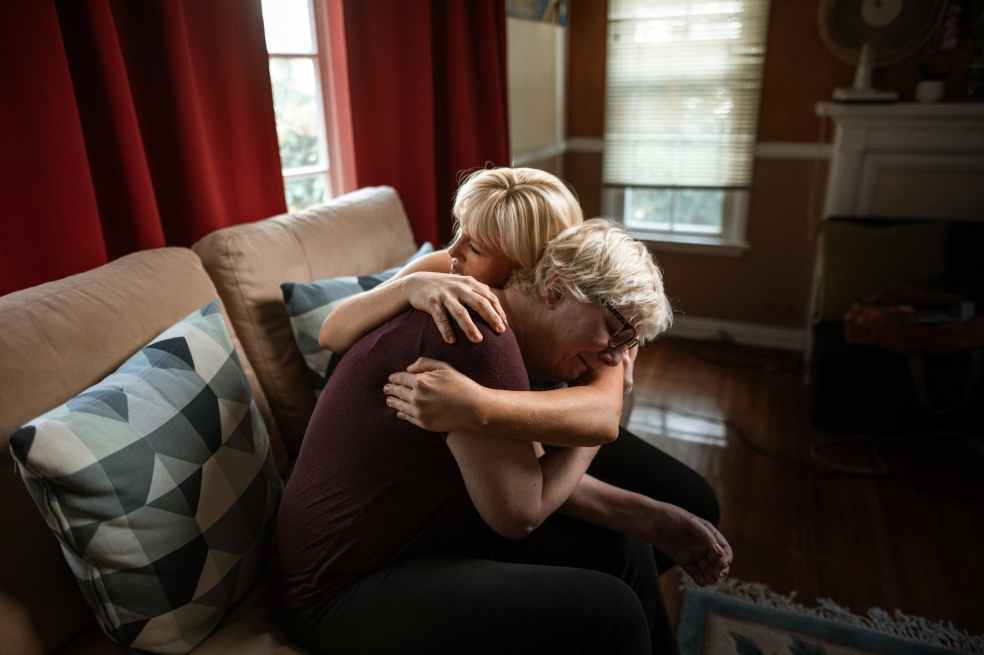
Parenting Sucks

Sometimes being a parent sucks. Yes, I said it. I adore my children more than anything in the world, and in so many ways, the person I became as a mother is the best possible version of myself. Other times, however, I see the way motherhood has not so positively impacted who I am. For example, the worry. The worry when your child has an allergic reaction or you get caught up in the media stories of deadly illnesses. The fear when your toddler lets go of your hand and darts out the door. It can be crippling for even the most zen parent. The reality is, we all have experienced some kind of traumatic event as a parent that changes the way we look at life moving forward. We have so much love for these tiny humans that it can be overwhelming and the desire to always keep them safe can cause serious panic. I am a naturally anxious person; I admit this. As a parent, though, I really push to have a laid back approach so that my children can take chances without their mother hovering. This works most days, but of course, there are the situations when my guard is down and I least expect it that then throw me into a tailspin. That is when parenthood really sucks. That is when the worry and now guilt comes in— “Was I too laid back?”“Should I not have done this?”“What could I have done differently?”Worst case scenarios flood your mind, even if logically you know everything is okay. These situations change you, sometimes into a person you do not want to be, at least for me, bringing out this ugly side of parenting. I see it when my toddler challenges me beyond belief, and as an imperfect person I lose it, sometimes snapping at him and launching toys into the garbage. I see it when my child has had a mild cold, but no other real symptoms, so I let it play out and then it escalated into something severe. While so many of the moments of parenthood are new and exciting and filled with laughter, others equally bring you to your knees and completely break you down, and. It. Sucks. No other way around it. These are the moments you call a mom-friend in tears that you told your toddler you didn’t like him very much. These are the moments you frantically google allergic reactions to gauge severity for your infant while you anxiously await a return call from your pediatrician to decide if you need to go to the ER. These moments can break you… but then you stop, you take a deep breath, maybe you step away from the situation if it allows it after the dust has settled and you laugh. Or you cry. Maybe both. Maybe you get yourself a bowl (or a pint) of ice cream and/or a large glass of wine (whichever fits the mood). Either way, you find a way to decompress, you probably check in on your little monsters a handful of times, and you prepare to do it all over again the next day, maybe embracing the “suck” just a little bit better than the day prior. 

An Unfiltered Glimpse

While we’re all guilty of sharing our highlight reel on social media, it’s equally important to let people see the unedited version of who you are.

Becoming a wife and mama are perhaps the two most beautiful roles I have ever been given. This does not, however, mean that these roles come without their challenges. This journey of motherhood, in particular, changes you; it changes how you approach your life and all the relationships within it. With this, we have a choice. Do we choose to display only what is beautiful, or, give people an accurate look into our lives and grow in genuine community with other men and women who may be very much facing similar situations? For me, I have always preferred the latter, but even more so as a parent, and a wife, who has had the gift of sitting in some of the deepest valleys and meeting incredible people who helped me climb atop the mountains. It would be a disservice then, to not continue to walk in honesty and raw vulnerability so that others know they too are not alone.

Why share an often unedited glimpse into the trials and tribulations I face as a wife and mother?

  • So many times, mom friends and I discussed how challenging navigating motherhood can be. While it is beautiful, it can also be downright isolating at times. We are not meant to do life alone — while we choose partners to do life with, when we become parents, these roles change, and in that, it requires adjusting how relationships and growing with them. For me, I have found that being open with other parents is freeing.
  • In a world obsessed with social media, it is especially easy to be hard on yourself as a parent. So often, we see the seemingly perfect lives of others and begin to doubt our own abilities, sometimes making us question who we are. While I am all for continued growth, this has to be done on your terms, not because you feel a need to keep up with another person.

I am someone who has always believed in the power of truth. While I do not speak for every parent and spouse, I take into account so many conversations with friends in their rawest moments. I have found that it is in these moments that we learn the most, grow the most, and foster our strongest relationships. A little humor also never hurts.

I want to add that I am not an expert parent and/or partner by any means. Instead, I share what I’ve learned or what has been shared with me simply so help lift that veil of the “perfect” parent and spouse, maybe helping us better ourselves along the way. This journey is filled with continuous twists and turns, a lot of temper tantrums and slaying of dragons, and a whole lot of love. Follow along for:

  • Countless parenting wins and parenting fails. Sometimes we laugh, sometimes we cry, but we always keep it real.
  • Marriage after children. Marriage is hard. Adding tiny humans into the mix along with outside responsibilities can make it easy to put your love life on the back burner. Perfect marriages do not exist, but real ones do.
  • Budget friendly ideas for occupying your little humans, date nights, birthday parties, etc. Finances definitely change after kids, but we can still provide our families with amazing experiences.

I will never be the perfect parent, the perfect friend, the perfect family member, nor the perfect partner, but I have found in sharing that with others, it turns out, none of us really are. We often spend so much time judging other people or comparing ourselves, especially our marriages and parenting choices, that we forget that most likely, other people are doing the same. The perfect life is not one I will ever achieve, nor would I want to. The filters are beautiful, but the raw, unedited images are my favorite.